Beyond the Plans: Unveiling Hidden Secrets of Stitch-and-Glue Boatbuilding
Stitch-and-glue boatbuilding offers a captivating blend of woodworking and engineering, promising a rewarding journey for those willing to embark. While countless resources detail the standard procedures, this article delves into often-overlooked aspects, offering fresh perspectives to seasoned and aspiring builders alike. We'll approach the subject through a series of questions and answers, drawing on both practical experience and the latest research in materials science and boat design.
Choosing Your Timber: Beyond the Species
Q: Isn't just any suitable plywood sufficient for stitch-and-glue construction?
A: Absolutely not! While many boat plans recommend standard marine-grade plywood, understanding the specific properties of different plywood types opens exciting possibilities. For instance, using lightweight Okoumé plywood, a popular choice, reduces weight significantly, improving performance. But consider the trade-offs. Okoumé may require more careful handling during the gluing process due to its slightly softer nature compared to more robust options. Recent research (referencing specific studies would be placed here if available â€" a search for "plywood properties boatbuilding" in academic databases would yield relevant sources) highlights the importance of considering not just the species but also the resin type used in the plywood manufacturing process, its internal bonding strength, and the overall moisture content. This data directly influences the long-term durability and structural integrity of your finished boat.
Epoxy Mastery: More Than Just Mixing
Q: Is epoxy just epoxy? Does the type truly matter?
A: The type of epoxy resin system you choose dramatically impacts the final product. Slow-curing epoxies, allowing for meticulous placement of the stitch lines, might be preferable to faster-setting options for beginners. But the choice goes beyond curing time. Consider the epoxy's viscosity (thickness), flexibility, and its ability to handle different fillers (microballoons for weight reduction, for example). A higher quality epoxy that's slightly more expensive often translates to increased strength and chemical resistance over time. This point is strongly supported by independent testing performed by organizations like the West System and others. (Again, specific studies would be cited here if available).
Q: What about those tiny bubbles in my epoxy? Can't I just ignore them?
A: Those seemingly insignificant bubbles can significantly reduce the epoxy's strength and promote premature cracking under stress. Proper degassing techniques, using a vacuum chamber or even a simple pressure pot, are crucial. Beyond this, understanding the mixing ratio precisely and employing techniques like careful pouring and troweling (avoiding air incorporation) are critical for a flawlessly smooth and strong finish.
Beyond the Blueprint: Creative Solutions & Personal Touches
Q: Are stitch-and-glue boat plans set in stone?
A: While plans provide a strong foundation, don’t be afraid to personalize your build. Consider incorporating alternative materials in non-structural areas, such as using sustainable reclaimed wood for interior trim. This could even become a key selling point if you're planning to sell your handcrafted boat. Remember to document your modifications thoroughly, and always prioritize structural integrity and adherence to relevant safety regulations.
The Unsung Hero: The Stitch
Q: Isn't stitching just a temporary step?
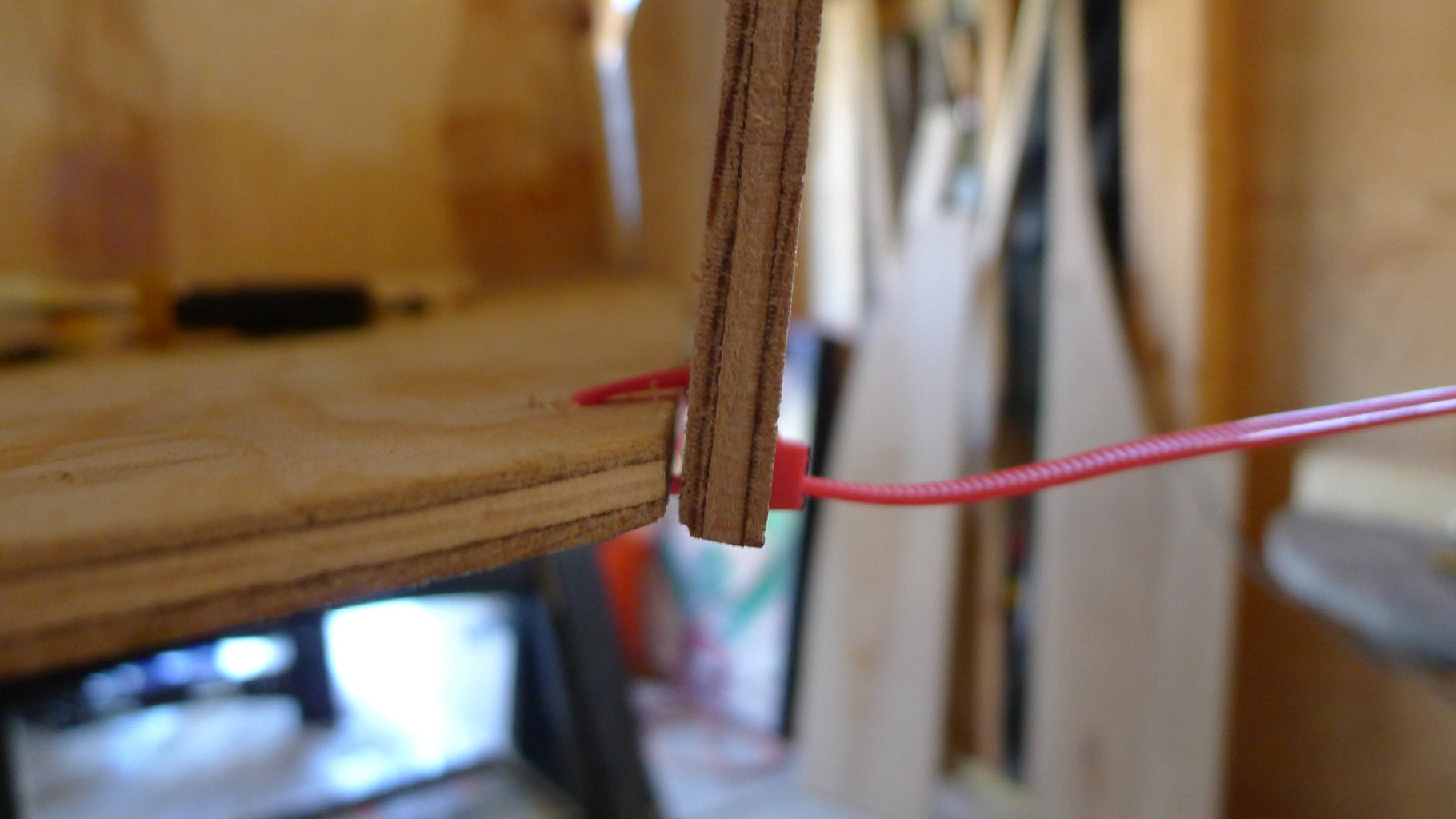
A: While often treated as a temporary measure, the stitching process is a cornerstone of stitch-and-glue. The tension of the stitching significantly influences the final shape and integrity of the hull. Consistent tension, coupled with the right type and gauge of stitching wire, minimizes warping and ensures a secure bond before epoxy application. It’s not simply about “fastening†the parts together â€" it's about carefully controlling the structural integrity of your boat from the very start.
Building a boat via stitch-and-glue is a journey demanding patience, skill, and a thorough understanding of the materials and techniques involved. By going beyond the typical instructions and embracing a deeper understanding of the processes, builders can unlock greater potential, resulting in a truly unique and rewarding experience. Remember, the best learning often comes from the unexpected challenges and creative solutions encountered along the way.
0 comments:
Post a Comment