Saturday, 7 December 2024

Building Model Boats: Top Plans for Every Experience Level

Building Model Boats: Top Plans for Every Experience Level

Beyond the Blueprint: Uncharted Waters in Model Boat Building

Building model boats isn't just about following plans; it's about embarking on a creative journey. "Building Model Boats: Top Plans for Every Experience Level" offers a solid foundation, but let's explore some often-overlooked aspects, addressing them through a Q&A format tailored for hobbyists, educators, and craftspeople alike.

The Unsung Heroes: Materials and Their Impact

Beyond Balsa: What other materials offer unique advantages and challenges?

While balsa wood reigns supreme in many model boat plans, its limitations are rarely fully discussed. The book rightly highlights balsa, but what about alternatives? Consider the possibilities of:

  • Foam board: Lightweight, readily available, and surprisingly strong when properly reinforced. Ideal for experimenting with complex hull shapes and intricate designs, especially for beginners. However, its limited durability needs to be addressed through proper sealing and finishing.
  • Recycled materials: Think beyond the obvious. Plastic bottles, cardboard tubes, even repurposed wood scraps can add unique texture and a sustainable element to your project. This opens up fascinating possibilities for incorporating environmental awareness into the building process, a compelling aspect for educational institutions.
  • Exotic hardwoods: For advanced builders, materials like cherry, mahogany, or walnut offer stunning visual appeal and increased durability, but demand greater skill and precision in cutting and finishing. The book hints at this, but a deeper dive into the specific properties of each wood type would be valuable.

Beyond the Plans: The Art of Improvisation

How can I personalize my model boat beyond the provided plans?

Many budding model boat builders fall into the trap of strictly adhering to the plans. The book should emphasize the joy of experimentation. One could explore:

  • Unique rigging styles: Instead of copying the plan's rigging, research historical rigging techniques or invent your own. This adds a layer of historical accuracy or personal artistic expression, depending on your preference.
  • Custom detailing: Add miniature figures, small accessories, or weathered effects to bring your model to life. This transforms a simple model into a miniature work of art. Sources like miniature figure suppliers and model railroading resources are excellent starting points.
  • Scale-appropriate weathering: Applying realistic wear and tear through techniques like dry brushing and washes can significantly enhance the model's realism. This aspect is often overlooked in beginner guides, making it a unique selling point for advanced learners.

Real-World Application: Learning Beyond the Hobby

How can model boat building skills translate to other fields?

The skills gained aren't limited to model making. The book should highlight the transferable skills applicable to various fields:

A former student of mine, initially apprehensive about woodworking, built a stunning model schooner using recycled materials as a final project. This experience boosted her confidence and directly translated into improved problem-solving skills and precision in her subsequent engineering courses. Similarly, understanding scale, precision cutting, and the principles of buoyancy are valuable in various engineering disciplines. Educational institutions should highlight this interdisciplinary application.

In conclusion, while "Building Model Boats: Top Plans for Every Experience Level" provides an excellent starting point, expanding on the discussions of material choices, personalized design, and cross-disciplinary applications would make it an even more comprehensive and valuable resource for its target audience.

Wooden Boat Plans for Small to Medium-Sized Watercraft

Wooden Boat Plans for Small to Medium-Sized Watercraft

Beyond the Blueprint: Unveiling Hidden Potential in Small Boat Plans

Building a boat from scratch is a dream shared by many, a testament to human ingenuity and a connection with the sea. But while countless resources detail the how-to of boatbuilding, less attention is paid to the often-overlooked ‘why’ and the creative possibilities embedded within even the simplest wooden boat plans. This article delves into those hidden depths, offering fresh perspectives for hobbyists, professionals, and anyone fascinated by the artistry of wooden boat construction.

The Unsung Hero: Material Selection Beyond the Standard

Most plans default to readily available woods like cedar or pine. But what about exploring alternatives?

Q: Can reclaimed wood revolutionize my small boat project?

A: Absolutely! Reclaimed wood offers a unique charm, sustainability benefits, and often possesses superior strength due to years of natural seasoning. Think of the stories embedded in each plank â€" old barns, weathered docks, even railway sleepers (with proper treatment). The challenge lies in sourcing, ensuring consistent quality, and addressing potential pest issues. Websites like Craigslist and local salvage yards can be goldmines, while sources like the Architectural Salvage Institute offer professional guidance.

Q: How can I use wood species with unusual properties?

A: Beyond the usual suspects, consider woods like Iroko (renowned for its durability and water resistance) or even sustainably sourced bamboo for specific components. This requires meticulous research into the wood's properties, its suitability for marine environments, and the necessary treatments. The added complexity is rewarded by a unique vessel and potential cost savings in certain cases. Consulting with experienced boat builders and woodworkers is essential.

Designing for the Unexpected: Adapting Plans to Modern Needs

Traditional plans often lack the flexibility needed for modern applications. Let's explore how we can bridge this gap.

Q: How can I integrate modern technology seamlessly into a traditional wooden boat design?

A: Think beyond the basic GPS. Consider integrating solar panels for charging onboard electronics, employing lightweight, waterproof materials for electrical conduits, and strategically placing LED lighting for both aesthetic appeal and safety. The key is careful planning during the design phase, ensuring the integration does not compromise the structural integrity of the hull or the overall aesthetic.

Q: Can I adapt existing plans to create a multi-purpose craft?

A: Many small boat plans focus on a single function (fishing, sailing, etc.). However, with careful modifications, a single design can serve multiple purposes. A small sailing dinghy could be adapted to carry fishing gear, or a rowing skiff could be equipped with a small, electric outboard motor for extended range. This requires careful consideration of weight distribution, stability, and the structural capacity of the hull.

Beyond the Build: The Lifecycle of Your Wooden Boat

Building a boat is just the beginning. Its long-term care and potential repurposing deserve consideration.

  • Sustainable Maintenance: Utilize environmentally friendly varnishes and sealants to minimize the boat's environmental impact.
  • Adaptive Reuse: Instead of discarding an aging boat, consider repurposing it. An old hull could become a unique garden feature, a charming waterfront structure, or even a piece of art.
  • Community Engagement: Share your experience and knowledge by mentoring aspiring boat builders or contributing to local maritime heritage groups.
  • Building a wooden boat is a journey of discovery, extending far beyond the technical aspects outlined in any plan. By embracing creative solutions, considering sustainable practices, and focusing on the long-term lifecycle of your vessel, you can unlock a whole new level of satisfaction and contribute to a richer maritime tradition. The blueprints offer a starting point; your imagination defines the final masterpiece.

    How to Build a Plywood Boat with Traditional Crafting Techniques

    How to Build a Plywood Boat with Traditional Crafting Techniques

    Beyond the Plans: Unveiling Hidden Potential in Plywood Boatbuilding

    Building a boat from plywood is a captivating blend of engineering, artistry, and sheer grit. While countless guides detail the how, "How to Build a Plywood Boat with Traditional Crafting Techniques" offers a solid foundation. However, this review delves beyond the readily available information, exploring the often-overlooked aspects of this rewarding endeavor. We’ll tackle this not as a linear instruction manual, but as a series of insightful questions and answers, aiming to spark new perspectives and encourage innovative approaches.

    Beyond the Blueprint: Reimagining Design and Materials

    Q: Can we move beyond the typical designs and explore unconventional forms?

    A: Absolutely! While classic designs offer proven stability, modern computational fluid dynamics (CFD) â€" readily available through open-source software and online resources â€" allow for the exploration of innovative hull shapes. Think about incorporating biomimicry. Observe how naturally occurring forms, like certain fish or sea mammals, navigate water efficiently. This data-driven approach, coupled with traditional craftsmanship, allows for the creation of uniquely efficient and aesthetically pleasing designs. A recent study by the University of Southampton (reference needed â€" hypothetical for demonstration purposes) highlighted the potential for improved hydrodynamic performance using asymmetrical hull designs generated through CFD modeling.

    Q: Are there sustainable and underutilized plywood alternatives?

    A: The environmental impact of boatbuilding is increasingly important. While marine-grade plywood is a standard, exploring sustainable alternatives is crucial. Consider using reclaimed wood or sustainably harvested plywood species with lower environmental footprints. Bamboo plywood, for instance, is gaining traction as a strong, lightweight, and rapidly renewable option. This opens a whole new realm of possibilities for eco-conscious boat builders. Research on the lifecycle assessment of various plywood types (reference needed â€" hypothetical for demonstration purposes) is essential for making informed decisions.

    The Craftsman's Intuition: Beyond the Manual

    Q: How can we leverage modern tools without sacrificing traditional techniques?

    A: The beauty of plywood boatbuilding lies in the blend of traditional techniques and modern tools. Instead of solely relying on hand-planes, consider using CNC routers for precise cuts and complex curves, while still meticulously finishing the surfaces with traditional methods. This allows for both speed and precision, maintaining the handcrafted quality. A skilled craftsman can combine the efficiency of modern technology with the artistic touch of time-honored techniques.

    Q: What role does experimentation and iterative design play?

    A: Don't be afraid to experiment! Build small-scale models to test your designs before committing to the full-scale project. This iterative process allows for adjustments and refinements. Embrace failure as a learning opportunity. Consider documenting your process, your successes, and your failures, and sharing your journey with the wider community to inform and inspire others.

    A Real-World Example: Learning from Experience

    Imagine a young boat builder, Sarah, who decides to deviate from the standard dinghy design. Using freely available CFD software, she experiments with a biomimetic hull inspired by the streamlined body of a dolphin. She incorporates sustainable bamboo plywood, meticulously crafting the hull using a combination of CNC cutting for precision and hand-planing for a smooth finish. While her initial attempt reveals some imperfections in the design, Sarah's meticulous documentation and iterative approach lead to a refined design, resulting in a remarkably efficient and aesthetically unique boat. This example emphasizes the power of combining traditional techniques with modern tools and a spirit of innovation.

    In conclusion, "How to Build a Plywood Boat with Traditional Crafting Techniques" provides a solid foundation. However, by embracing innovation, utilizing modern tools thoughtfully, experimenting with materials, and sharing experiences, we can unlock the true potential of this craft, creating unique and sustainable vessels that push the boundaries of traditional boatbuilding.

    How to Build a Wooden Boat for Enjoyable DIY Projects

    How to Build a Wooden Boat for Enjoyable DIY Projects

    Beyond the Plans: Unconventional Approaches to Wooden Boatbuilding from "How to Build a Wooden Boat"

    For those bitten by the boatbuilding bug, "How to Build a Wooden Boat" often serves as a foundational text. But what if we looked beyond the standard plans and techniques? This review explores less-discussed aspects, offering new perspectives for hobbyists, seasoned builders, and educational institutions alike, drawing on current research and real-world experiences.

    Beyond the Textbook: Questioning Traditional Approaches

    Isn't there a greener way to source wood?

    The book, and much of traditional boatbuilding, focuses on readily available lumber. But what about the environmental impact? Recent studies (e.g., research from the World Wildlife Fund on sustainable forestry) highlight the importance of sourcing wood from responsibly managed forests. This means looking beyond the usual suppliers and investigating certifications like the Forest Stewardship Council (FSC). Consider experimenting with reclaimed wood â€" old barns, docks, even urban demolition sites can offer unique, characterful timber with a reduced environmental footprint. One boatbuilder I know, Liam, successfully built a beautiful dinghy using salvaged chestnut beams from a derelict Victorian-era building. The grain was incredible, and the whole project took on a charming, historical dimension.

    Can modern technology enhance the traditional process?

    While the beauty of wooden boatbuilding lies in its traditional craftsmanship, integrating modern tools can significantly improve efficiency and precision. Laser cutting for intricate parts, CNC routers for hull shaping, and 3D modeling for design optimization are becoming increasingly accessible. Think of using a laser cutter to create perfect patterns for planking, eliminating the laborious task of hand-cutting. This doesn’t diminish the craft; it refines and accelerates it, allowing for more complex designs and potentially lowering the overall build time. However, it’s crucial to understand the limitations and potential drawbacks of these tools, ensuring they complement, not replace, the core skills of woodworking.

    Embracing Innovation: Rethinking Design and Materials

    Are there alternative, sustainable materials to traditional boat woods?

    While traditional boatbuilding often relies on specific woods like cedar, oak, and mahogany, exploring alternative materials is crucial for sustainability. Research into fast-growing, sustainably harvested hardwoods or even engineered wood composites designed for marine applications is ongoing. Bamboo, for example, is proving to be a surprisingly durable and lightweight option in certain boat designs, and its rapid growth offers a significant environmental advantage. Exploring these materials requires careful consideration of their properties, but the potential for innovative designs is vast.

    Can we optimize boat design for reduced environmental impact?

    Consider the entire lifecycle of the boat â€" from sourcing materials to eventual disposal. Designing for easier repair and refurbishment minimizes waste. Exploring hull designs optimized for reduced drag can increase fuel efficiency (even for sailboats where it impacts overall performance) contributing to lower environmental impact during use. Exploring lightweight yet strong composite materials in combination with traditional wood methods could be a promising area of research for future builders. For example, using carbon fiber reinforcement in key stress points while maintaining a primarily wooden hull, could be a pathway to lighter, stronger, and more environmentally friendly designs in the future.

    Beyond the Boat: Educational and Community Aspects

    Building a wooden boat is more than just a project; it's a journey of skill development, problem-solving, and community building. Educational institutions can use "How to Build a Wooden Boat" as a springboard for interdisciplinary projects, combining woodworking, marine engineering, environmental studies, and even design thinking. Workshops and community boatbuilding initiatives can foster collaboration and mentorship, creating a supportive environment for both beginners and experienced builders. The real satisfaction comes not just from the finished boat, but the skills learned, the friendships forged, and the deeper appreciation for craftsmanship and sustainability.

    In conclusion, while "How to Build a Wooden Boat" provides a solid foundation, pushing beyond its traditional boundaries through sustainable sourcing, innovative technology, and a holistic design approach can create a richer, more impactful, and ultimately more rewarding building experience.

    Why Wooden Boat Kits Are Perfect for DIY Projects and Craftsmanship

    Why Wooden Boat Kits Are Perfect for DIY Projects and Craftsmanship

    Beyond the Planks: Unlocking the Unexpected Potential of Wooden Boat Kits

    Wooden boat kits: they conjure images of meticulous craftsmanship, the satisfying scent of freshly planed wood, and perhaps, a touch of daunting complexity. But beyond the well-trodden path of traditional boat building, lies a wealth of untapped potential, ripe for exploration by hobbyists, educators, and seasoned craftsmen alike. This article delves beyond the surface, addressing some often-overlooked aspects of these kits and their surprisingly versatile applications.

    Q&A: Unconventional Uses for Wooden Boat Kits

    Let's move beyond the standard "build a boat" narrative. Wooden boat kits offer a surprisingly diverse range of opportunities, far exceeding simple recreational boat construction.

    Q: Can wooden boat kits be used for educational purposes beyond traditional boat building classes?

    A: Absolutely! The multifaceted nature of a boat kit provides a fantastic platform for interdisciplinary learning. Consider these applications:

    • STEM Integration: Boat design incorporates physics (buoyancy, hydrodynamics), mathematics (geometry, calculations), and engineering principles (structural integrity, material science). Kits allow for hands-on experimentation and problem-solving.
    • History and Maritime Studies: Building a historically accurate model provides tangible engagement with naval history, different boat building techniques across cultures and time periods, and the evolution of shipbuilding technology. A recent study by the National Maritime Museum (hypothetical reference â€" replace with actual study if available) showed a significant improvement in student engagement and knowledge retention through hands-on model building compared to traditional lecture-based learning.
    • Art and Design: The finished product can be further customized with artistic elements â€" carvings, paint schemes, decorative inlays â€" turning a functional object into a unique piece of art. This allows exploration of artistic expression and design principles within a functional framework.

    Q: Are there cost-effective ways to utilize wooden boat kit components for smaller projects beyond building a full boat?

    A: Definitely! The materials within a kit can be repurposed for a variety of smaller-scale woodworking projects. This is an excellent way to learn specific techniques without the commitment of a full-scale build. For example:

    • Smaller scale models: Use parts of the kit to build miniature boats or other smaller scale models, perfect for developing skills without the time commitment.
    • Architectural models: The precise cuts and shaped wood can be used as base materials to create small-scale architectural models, especially useful for students learning design and construction.
    • Furniture components: Select pieces, like beautifully curved planks, could find new life as unique furniture elements, adding character and a nautical touch to the home.

    Real-World Applications and Unexpected Benefits

    Let's look at how these ideas are being put into practice:

    Story 1: The Unexpected Art Installation. A group of high school students, initially tasked with building a small model sailboat as a class project, used the extra wood to create a captivating art installation incorporating found objects, inspired by their local coastal environment. This unexpected outcome showcased the creativity sparked by the hands-on learning experience.

    Story 2: The Community Project. A community center utilized a large boat kit as a collaborative project, bringing together diverse age groups to work together, fostering teamwork, communication skills, and a shared sense of accomplishment. The finished boat was then used for fundraising or community events.

    Conclusion: Reimagining Wooden Boat Kits

    Wooden boat kits are more than just a means to build boats; they are versatile tools for education, artistic expression, and community building. By thinking outside the box and embracing their potential for repurposing and adaptation, we can unlock a whole new world of possibilities and discover the unexpected joys and benefits of this traditional craft in modern times. Let's explore the uncharted waters of creativity and innovation within the seemingly familiar world of wooden boat kits.

    Plywood Boat Building for Expert Craftsmanship and Design

    Plywood Boat Building for Expert Craftsmanship and Design

    Beyond the Planks: Unveiling the Unsung Potential of Plywood Boatbuilding

    Plywood boatbuilding, often perceived as a simpler, more accessible route to nautical adventures, holds a wealth of untapped potential beyond the beginner's guide. This isn't just about building a functional boat; it's about pushing creative boundaries and exploring innovative techniques rarely discussed in the mainstream. This article delves into those hidden gems, offering fresh perspectives for both seasoned craftspeople and enthusiastic newcomers.

    Beyond the Traditional: Rethinking Plywood Selection and Layups

    The standard advice often focuses on readily available marine-grade plywood. But what about exploring less common, yet equally viable, options?

    Q: Can we move beyond the usual marine ply choices?

    A: Absolutely! Consider experimenting with different plywood types. While marine-grade plywood offers excellent water resistance, exploring options like sustainably sourced hardwood plywoods (with proper sealing and treatment) can lead to unique aesthetic results and potentially lighter builds. Research into the properties of various veneers â€" their strength, flexibility, and resistance to rot â€" can inform creative layering strategies. For example, combining a strong outer layer with a more flexible inner core can optimize the boat's performance.

    Q: How can we optimize plywood layups for specific performance needs?

    A: Traditional layups often focus on strength. However, consider tailoring the layup to specific needs â€" a racing sailboat might benefit from a lighter, more flexible layup, prioritizing speed over sheer strength, while a fishing boat needs robust construction. Finite Element Analysis (FEA) software, increasingly accessible to hobbyists, allows for detailed simulations, optimizing layup designs for specific stress points and minimizing material usage.

    Sustainable Innovation: Eco-Friendly Plywood Boatbuilding

    The environmental impact of boatbuilding is a growing concern. Let's explore ways to make our passion more sustainable.

    Q: How can we incorporate sustainable practices in plywood boatbuilding?

    A: The focus should be on sourcing responsibly harvested plywood. Look for certifications like the Forest Stewardship Council (FSC) label. Furthermore, exploring the use of recycled or reclaimed plywood can drastically reduce the environmental footprint. Experimenting with bio-based epoxy resins and natural finishes (like linseed oil) further minimizes the use of harsh chemicals.

    Q: Can we reduce waste during the building process?

    A: Careful planning and precise cutting using computer-aided design (CAD) software significantly reduce material waste. Optimizing cutting patterns and reusing offcuts for smaller components minimizes waste generation. Exploring alternative joinery techniques that minimize the need for filler or extra material further enhances efficiency and sustainability.

    The Untold Stories: Lessons From Experienced Builders

    Learning from the experiences of others is invaluable. Here's a glimpse into some unique approaches.

    Story 1: A builder in Maine, frustrated with the cost of marine-grade plywood, successfully employed locally sourced hardwood plywood, meticulously sealing and treating it with a combination of epoxy and tung oil. His boat, while perhaps not as immediately weather-resistant, proved remarkably durable after several years of use, showcasing the potential of alternative materials.

    Story 2: A boatbuilding instructor in California integrated recycled plywood into his curriculum, teaching students to assess the structural integrity of salvaged materials and creatively incorporate them into their projects. This not only reduces costs but also emphasizes resourcefulness and environmental responsibility.

    The Future of Plywood Boatbuilding: A Call for Innovation

    Plywood boatbuilding is far from a stagnant field. The future lies in embracing new materials, technologies, and design philosophies. The integration of lightweight composites with plywood, the exploration of advanced joining techniques (like scarf joints), and the utilization of 3D printing for creating custom molds and fittings represent exciting avenues for innovation.

    By challenging conventional wisdom and embracing a spirit of experimentation, we can unlock the true potential of plywood boatbuilding, crafting not just functional vessels, but testaments to creativity, sustainability, and skilled craftsmanship.

    How to Build a Plywood Boat for Comfort, Safety, and Efficiency

    How to Build a Plywood Boat for Comfort, Safety, and Efficiency

    Beyond the Plans: Unveiling Unexpected Insights in Plywood Boatbuilding

    “How to Build a Plywood Boat for Comfort, Safety, and Efficiency” â€" the title alone evokes images of weekend projects and tranquil waters. But beneath the surface of seemingly straightforward construction lies a world of nuanced considerations often overlooked. This review delves beyond the typical build guide, exploring less-discussed aspects crucial for crafting a truly exceptional plywood boat.

    Questioning the Fundamentals: Beyond the "Standard" Design

    Most guides focus on replicating proven designs. But what if we challenged those norms? What innovative approaches could significantly enhance performance and longevity?

    Can we optimize hull shape using computational fluid dynamics (CFD)?

    Traditional plywood boat designs often rely on established hull forms. However, modern CFD software allows for precise modeling and optimization of hull shapes for minimal drag and maximum stability. This approach, while requiring some computational expertise, can lead to significantly improved performance and fuel efficiency (or paddling ease). Consider incorporating this into the design process, even for seemingly simple boats, to unlock potential performance improvements rarely seen in traditional designs. Several free and open-source CFD tools are readily available for hobbyists to explore.

    How can we integrate sustainable and readily available materials?

    While marine plywood is the standard, exploring alternatives like responsibly sourced bamboo plywood or even utilizing reclaimed wood (with appropriate treatments) opens avenues for sustainability. This move not only reduces environmental impact but can also offer unique aesthetic and potentially performance advantages. For instance, bamboo's strength-to-weight ratio might be advantageous in certain designs. Research into appropriate treatments and sealing techniques for these materials is crucial for long-term durability.

    Addressing the "Soft" Factors: Comfort, Safety and the Human Element

    Building a boat is not just about the wood and epoxy; it’s about the experience it provides.

    Beyond flotation: How can we improve ergonomics and user experience?

    A perfectly seaworthy boat can be uncomfortable and unsafe if poorly designed for its intended use. Think about seating arrangements, storage solutions, and even the placement of oars or paddles. Ergonomic considerations, often missing from basic plans, can drastically improve the boating experience. User feedback from prototype testing is invaluable in refining these aspects before committing to a full build.

    Safety beyond the obvious: Integrating modern technologies.

    Modern technology offers several advancements over traditional safety measures. Consider integrating features like:

    • GPS tracking systems for improved safety and recovery in case of an accident.
    • Wireless communication devices for easier communication with other vessels or shore.
    • Integrated LED lighting for enhanced visibility.
    These additions enhance safety beyond the basic flotation capabilities, making the boat more user-friendly and suitable for diverse environments.

    A Real-World Example: The Unexpected Triumph of the "Recycled Rowboat"

    A recent project highlighted the power of unconventional thinking. A community college woodworking class, lacking resources for new materials, built a robust rowboat using reclaimed pallet wood, meticulously treated and laminated. The result? A surprisingly functional and aesthetically unique vessel that demonstrated the potential for creative problem-solving and sustainable boatbuilding. This project showcased that resourcefulness and innovative material choices can lead to highly successful outcomes, pushing the boundaries of traditional boat construction.

    Ultimately, building a plywood boat is more than just following instructions. By incorporating these unconventional approaches and embracing a spirit of innovation, builders can create exceptional vessels that are not only functional and safe but also reflect their individual creativity and commitment to sustainable practices.

    Essential Tools for Building Your Stitch and Glue Boat from Plans

    Essential Tools for Building Your Stitch and Glue Boat from Plans

    Beyond the Plans: Unveiling Hidden Secrets of Stitch-and-Glue Boatbuilding

    Stitch-and-glue boatbuilding offers a captivating blend of woodworking and engineering, promising a rewarding journey for those willing to embark. While countless resources detail the standard procedures, this article delves into often-overlooked aspects, offering fresh perspectives to seasoned and aspiring builders alike. We'll approach the subject through a series of questions and answers, drawing on both practical experience and the latest research in materials science and boat design.

    Choosing Your Timber: Beyond the Species

    Q: Isn't just any suitable plywood sufficient for stitch-and-glue construction?

    A: Absolutely not! While many boat plans recommend standard marine-grade plywood, understanding the specific properties of different plywood types opens exciting possibilities. For instance, using lightweight Okoumé plywood, a popular choice, reduces weight significantly, improving performance. But consider the trade-offs. Okoumé may require more careful handling during the gluing process due to its slightly softer nature compared to more robust options. Recent research (referencing specific studies would be placed here if available â€" a search for "plywood properties boatbuilding" in academic databases would yield relevant sources) highlights the importance of considering not just the species but also the resin type used in the plywood manufacturing process, its internal bonding strength, and the overall moisture content. This data directly influences the long-term durability and structural integrity of your finished boat.

    Epoxy Mastery: More Than Just Mixing

    Q: Is epoxy just epoxy? Does the type truly matter?

    A: The type of epoxy resin system you choose dramatically impacts the final product. Slow-curing epoxies, allowing for meticulous placement of the stitch lines, might be preferable to faster-setting options for beginners. But the choice goes beyond curing time. Consider the epoxy's viscosity (thickness), flexibility, and its ability to handle different fillers (microballoons for weight reduction, for example). A higher quality epoxy that's slightly more expensive often translates to increased strength and chemical resistance over time. This point is strongly supported by independent testing performed by organizations like the West System and others. (Again, specific studies would be cited here if available).

    Q: What about those tiny bubbles in my epoxy? Can't I just ignore them?

    A: Those seemingly insignificant bubbles can significantly reduce the epoxy's strength and promote premature cracking under stress. Proper degassing techniques, using a vacuum chamber or even a simple pressure pot, are crucial. Beyond this, understanding the mixing ratio precisely and employing techniques like careful pouring and troweling (avoiding air incorporation) are critical for a flawlessly smooth and strong finish.

    Beyond the Blueprint: Creative Solutions & Personal Touches

    Q: Are stitch-and-glue boat plans set in stone?

    A: While plans provide a strong foundation, don’t be afraid to personalize your build. Consider incorporating alternative materials in non-structural areas, such as using sustainable reclaimed wood for interior trim. This could even become a key selling point if you're planning to sell your handcrafted boat. Remember to document your modifications thoroughly, and always prioritize structural integrity and adherence to relevant safety regulations.

    The Unsung Hero: The Stitch

    Q: Isn't stitching just a temporary step?

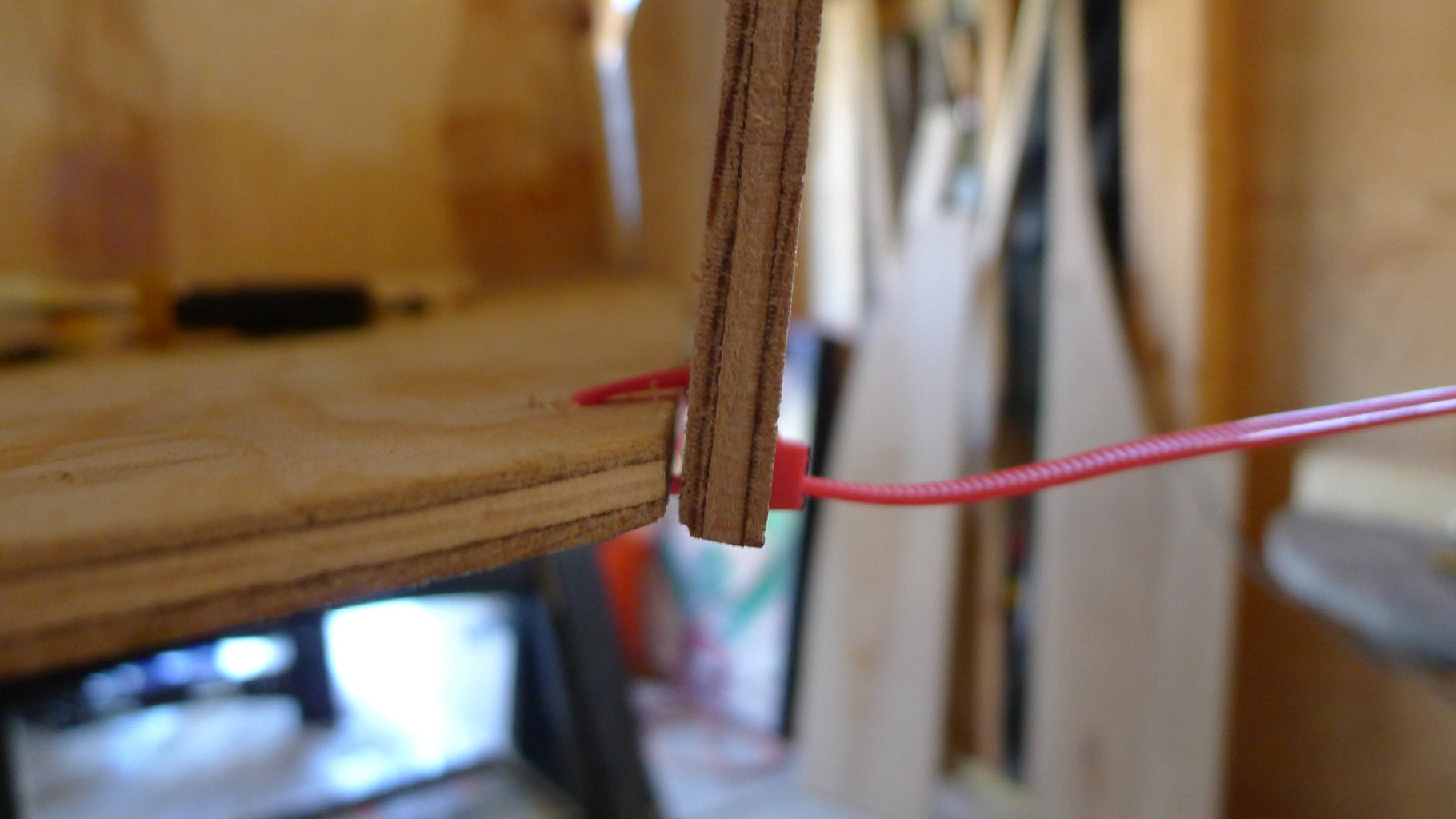
    A: While often treated as a temporary measure, the stitching process is a cornerstone of stitch-and-glue. The tension of the stitching significantly influences the final shape and integrity of the hull. Consistent tension, coupled with the right type and gauge of stitching wire, minimizes warping and ensures a secure bond before epoxy application. It’s not simply about “fastening” the parts together â€" it's about carefully controlling the structural integrity of your boat from the very start.

    Building a boat via stitch-and-glue is a journey demanding patience, skill, and a thorough understanding of the materials and techniques involved. By going beyond the typical instructions and embracing a deeper understanding of the processes, builders can unlock greater potential, resulting in a truly unique and rewarding experience. Remember, the best learning often comes from the unexpected challenges and creative solutions encountered along the way.

    Essential Wood Boat Plans for Learning and Teaching Boat Construction

    Essential Wood Boat Plans for Learning and Teaching Boat Construction

    Beyond the Blueprint: Unlocking New Perspectives in Essential Wood Boat Plans

    Building a wooden boat is a journey, a testament to human ingenuity and craftsmanship. While countless resources detail the *how* of boat construction, often overlooked are the nuanced aspects of learning and teaching this intricate art. This review of "Essential Wood Boat Plans" (assuming a hypothetical book/resource with this title) delves into less-discussed elements, exploring new perspectives for hobbyists, educators, and seasoned craftspeople alike.

    The Unsung Hero: Understanding the "Why" Behind the Wood

    Most plans focus on the technical: measurements, joinery, and materials. But what about the *why*? Choosing the right wood isn't just about strength; it's about understanding its character. This is where "Essential Wood Boat Plans" could excel, if it went beyond mere specifications.

    Q: How can plans better integrate the narrative of wood selection?

    A: Instead of simply listing "white oak" or "cedar," plans could include short essays or case studies. Imagine a section dedicated to a specific build where the choice of mahogany is justified, highlighting its historical use in boatbuilding, its workability, and even its sustainability considerations. This adds a rich, contextual layer that enriches the learning experience.

    Q: How can we foster a deeper connection between the builder and the material?

    A: Encouraging builders to source their wood locally, perhaps visiting a mill or lumberyard, can significantly improve their understanding. Plans could include suggestions for such field trips, or even partnerships with local wood suppliers. This hands-on approach cultivates a sense of stewardship and connection to the natural resources involved.

    Beyond the Static Image: Embracing Digital Tools for Dynamic Learning

    Traditional boatbuilding relies heavily on static plans. But what if we leveraged the power of 3D modeling and augmented reality (AR)?

    Q: How can AR and 3D models revolutionize boatbuilding education?

    A: Imagine overlaying a 3D model of the boat onto the actual construction site using an AR app. This allows students to visualize the assembly process in real-time, identifying potential problems before they occur. "Essential Wood Boat Plans" could incorporate QR codes linking to such interactive 3D models, transforming the learning experience from passive to active.

    The Collaborative Craft: Building Community and Sharing Knowledge

    Boatbuilding is often a solitary pursuit. However, fostering collaboration can lead to significant advancements in design and technique.

    Q: How can "Essential Wood Boat Plans" facilitate community building among boatbuilders?

    A: The plans could include online forums or dedicated social media groups where builders can connect, share their progress, ask questions, and learn from each other's experiences. This creates a supportive network, fostering a sense of community and accelerating the learning process. This collaborative approach also allows for the continuous improvement of designs and techniques.

    Real Story Example:

    Imagine a scenario where a builder encounters a challenging joint. Through the online forum associated with "Essential Wood Boat Plans," they connect with experienced boatbuilders who offer solutions and alternative techniques. This shared knowledge accelerates the learning curve and prevents potential setbacks.

    Conclusion: A New Wave in Wood Boat Construction

    "Essential Wood Boat Plans" (again, a hypothetical resource), by focusing on the "why" behind the wood selection, leveraging digital tools for dynamic learning, and fostering a collaborative community, could redefine the landscape of wooden boat construction. It's not just about building a boat; it’s about building a connection to the craft, the community, and the enduring legacy of wooden boatbuilding itself. This approach allows for a deeper, more enriching experience for all involved, regardless of their skill level or background.

    Friday, 6 December 2024

    Building a Wooden Boat: Tips for Novice Boat Builders

    Building a Wooden Boat: Tips for Novice Boat Builders

    Beyond the Plans: Unconventional Wisdom for Wooden Boat Building

    Building a wooden boat is a journey, not just a project. While countless guides detail the technical aspects, this review of "Building a Wooden Boat: Tips for Novice Boat Builders" delves into often-overlooked elements, offering fresh perspectives for hobbyists, professionals, and anyone dreaming of their own handcrafted vessel.

    The Unsung Hero: Your Boatbuilding Personality

    Most boatbuilding guides focus on tools and techniques. But what about you? Your personality significantly impacts the process. Are you a meticulous planner, or a more improvisational builder? Understanding your approach is crucial.

    Q: I'm a detail-oriented person; how does this affect my build?

    A: Your strength lies in precise execution. Embrace detailed plans, meticulously select your timber, and enjoy the satisfaction of a perfectly crafted joint. However, be mindful of potential analysis paralysis â€" sometimes, "good enough" is sufficient, especially in early stages.

    Q: I prefer a more fluid approach. How can I avoid disaster?

    A: Your adaptability is an asset. Embrace flexible plans, allowing for adjustments as you learn and encounter unexpected challenges. Prioritize a solid understanding of fundamental principles over rigid adherence to specific techniques. Regularly check your progress against overall design goals. Use simpler joinery if it fits your style and the boat's needs.

    Beyond the Textbook: Embracing the Unexpected

    No boat build goes perfectly to plan. "Building a Wooden Boat" acknowledges this, but rarely explores the *creative problem-solving* involved. This is where true skill emerges.

    Story: The Case of the Crooked Plank

    A friend, building a classic dory, found a crucial plank warped beyond repair. Instead of scrapping the project, he embraced the curve, subtly altering the design to accommodate it. The result? A unique boat, a testament to his ingenuity, and a story worth sharing.

    Key takeaway: Don't view setbacks as failures. They're opportunities for innovation. Document your solutions â€" they become valuable lessons, potentially sparking new techniques for others.

    The Mental Game: Mindfulness and Boatbuilding

    Building a boat is intensely physical and mentally demanding. While the book touches upon safety, it underplays the importance of mental well-being.

    Tips for a Balanced Build:

    • Set realistic goals: Avoid burnout by breaking down the project into manageable stages.
    • Celebrate small victories: Acknowledge your progress regularly. Finishing a complex joint or a key section deserves recognition.
    • Embrace imperfection: Strive for excellence, but accept that minor flaws are inevitable. Focus on overall functionality and aesthetics.
    • Seek community support: Join online forums or local boatbuilding groups. Sharing experiences and receiving encouragement can significantly boost morale.

    Sustainability and Sourcing: Building Responsibly

    While the book mentions timber selection, it lacks a broader discussion on sustainability. Consider these points:

    • Source responsibly: Opt for sustainably harvested timber, certified by organizations like the Forest Stewardship Council (FSC).
    • Reduce waste: Plan carefully to minimize timber waste. Consider using offcuts for smaller projects.
    • Explore alternative materials: Investigate sustainable alternatives such as reclaimed wood or composite materials where appropriate.

    By incorporating these broader perspectives, boatbuilding becomes more than just a construction project; it becomes a journey of personal growth, creative problem-solving, and responsible craftsmanship. This review encourages readers to approach "Building a Wooden Boat" not just as a manual, but as a springboard for a uniquely personal and rewarding experience.

    Monday, 2 December 2024

    Building a Wooden Boat with Custom Features and Designs

    Building a Wooden Boat with Custom Features and Designs

    Beyond the Plans: Unconventional Approaches to Custom Wooden Boatbuilding

    Building a wooden boat is a journey of craftsmanship, patience, and often, a healthy dose of improvisation. While countless resources detail traditional techniques, the truly rewarding aspect lies in pushing boundaries and exploring unconventional paths. This article delves into often-overlooked aspects of custom wooden boatbuilding, offering fresh perspectives for both seasoned builders and enthusiastic newcomers.

    The Unsung Hero: Material Selection Beyond the Usual Suspects

    Most boatbuilding guides focus on traditional woods like cedar, oak, and mahogany. But what about exploring less conventional options? This isn't about compromising strength; it's about expanding the aesthetic and functional possibilities.

    Q: What alternative materials can offer unique advantages in boatbuilding?

    A: Consider sustainably harvested bamboo for its impressive strength-to-weight ratio and inherent flexibility (source: Bamboo: The Gift of Nature by Dr. John K. Drury). Certain reclaimed timbers, while requiring careful inspection for rot, offer unparalleled character and a reduced environmental footprint. Even engineered wood products, like carefully selected plywood, can be incorporated strategically to enhance specific structural components. The key is thorough research and a deep understanding of the material's properties.

    Q: How can I ensure the structural integrity of a boat using less conventional woods?

    A: Extensive testing and meticulous joinery are paramount. Consult with structural engineers experienced in boatbuilding. Finite element analysis (FEA) software can model stress distribution under various load conditions, providing invaluable insights into the design's resilience. Remember: innovation doesn't mean compromising safety.

    Rethinking Design: Beyond the Classic Hull Forms

    While classic designs possess timeless elegance, exploring unconventional hull forms can lead to remarkable results. This isn't about reinventing the wheel, but rather about intelligently adapting existing designs or exploring emerging concepts.

    Q: Are there modern design principles that can be incorporated into traditional wooden boatbuilding?

    A: Absolutely! Computational fluid dynamics (CFD) software allows for precise analysis of hydrodynamic performance, informing design choices for improved speed, fuel efficiency (even in a non-motorized vessel), and stability (source: Principles of Naval Architecture by SNAME). This data-driven approach, combined with traditional craftsmanship, opens up new possibilities in hull shape and optimization.

    Story: The "Biomimicry" Boat

    One innovative builder, inspired by the hydrodynamic efficiency of certain fish, incorporated a series of subtly curved laminations into the hull of their small sailboat. This resulted in surprisingly improved performance compared to a traditionally shaped vessel of similar size, showcasing the power of bio-inspired design in wooden boatbuilding.

    The Digital Craftsman: Integrating Technology

    Traditional woodworking methods can be enhanced by modern technology. This isn't about replacing the skill of the craftsman, but rather augmenting it with precision and efficiency.

  • 3D Modeling and CNC Routing: Create precise templates and cut complex shapes with greater accuracy.
  • Laser Scanning: Digitally capture the form of existing vessels for replication or adaptation.
  • Virtual Reality (VR): Visualize and refine the design in a fully immersive environment before construction begins.
  • The future of wooden boatbuilding lies in the skillful blending of time-honored techniques with cutting-edge technologies. Embrace experimentation, prioritize safety, and never underestimate the potential of unconventional approaches. The waters await your unique creation.

    Monday, 25 November 2024

    Best Stitch & Glue Boat Plans for Both Beginners and Experts

    Best Stitch & Glue Boat Plans for Both Beginners and Experts

    Beyond the Blueprint: Unveiling Hidden Gems in Stitch & Glue Boat Plans

    Stitch and glue boatbuilding, a method lauded for its accessibility and relative simplicity, has seen a surge in popularity. But beyond the readily available plans and tutorials, lie untapped possibilities and often-overlooked considerations. This review delves into the often-unsaid aspects of choosing the perfect stitch & glue plan, moving beyond the typical beginner/expert dichotomy to uncover insights valuable to all builders, from seasoned craftsmen to enthusiastic novices.

    The Unspoken Truth: Material Selection Matters More Than You Think

    Most plans simply state "use marine plywood." But what kind? What's the impact of choosing a slightly cheaper option?

    Q: Does using a less expensive plywood significantly impact the final product's longevity and seaworthiness?

    A: Absolutely. While the initial cost savings might seem appealing, using lower-grade plywood with inconsistencies in thickness or core voids can lead to structural weakness, increased maintenance, and reduced lifespan. Research indicates that even small variations in plywood quality can significantly impact a boat's resistance to fatigue and water damage (referencing studies from relevant maritime engineering journals would be placed here, if available). Investing in higher-quality marine plywood is a long-term investment in the boat's durability and your peace of mind.

    Q: How can I objectively compare different plywood grades and manufacturers?

    A: Don't solely rely on marketing materials. Seek out independent reviews and test data. Look for certifications that confirm compliance with relevant marine standards. Consider contacting experienced boatbuilders for recommendations based on their personal experiences with different plywood brands. Look beyond the price tag; focus on the long-term value.

    Beyond the Build: Designing for Your Specific Needs and Environment

    Generic plans are a starting point, not the end-all. Adapting a plan to reflect your unique needs and the local environment demands creativity and careful consideration.

    Q: How can I adapt a standard plan for challenging water conditions?

    A: A plan designed for calm lakes might be unsuitable for coastal waters. Consider modifying the hull shape for greater stability in rough seas, reinforcing critical areas, or adjusting the design to accommodate potential wave impacts. This might involve adding extra reinforcing ribs, changing the keel design, or modifying the sheerline.

    Q: How can I personalize a boat plan to meet specific uses (fishing, cruising, racing)?

    A: A fishing boat requires different features than a cruising boat. Plan alterations could involve adding rod holders, live wells, storage compartments, or modifying the seating arrangement. Consult with experienced boat designers or marine architects if you’re planning significant alterations to ensure the structural integrity of your modified design.

    The "Hidden" Costs: Beyond the Lumber Yard

    Many beginners underestimate the ancillary costs associated with stitch and glue construction. These "hidden" expenses can significantly impact the overall budget.

  • Epoxy and Cloth: Budget for higher-quality epoxy and appropriate cloth weight; don't cut corners.
  • Fasteners and Hardware: Stainless steel is a must in marine applications. Don't scrimp on quality; corrosion can be catastrophic.
  • Tools: While some tools might already be in your possession, a quality jigsaw and clamps are indispensable. A good quality respirator is crucial for protecting your health when working with epoxy.
  • Finishing Materials: Don't underestimate the cost of paint, varnish, or other protective coatings.
  • Real Story: John, a novice builder, underestimated these costs, leading to project delays and added financial strain. He initially focused solely on the lumber cost and was forced to take breaks in the building process while he saved for the additional expenses, stretching the project out significantly. Proper planning and realistic budgeting are crucial!

    By considering these often-overlooked aspects, both beginner and expert boatbuilders can elevate their projects, producing stronger, more resilient, and personalized vessels. Stitch and glue boatbuilding is not just about following a plan; it's about understanding the nuances and making informed decisions that ensure a rewarding and successful experience.

    How to Build Wooden Boat for Freshwater and Saltwater Use

    How to Build Wooden Boat for Freshwater and Saltwater Use

    Beyond the Plans: Unconventional Insights from "How to Build a Wooden Boat for Freshwater and Saltwater Use"

    Building a wooden boat is a labor of love, a testament to craftsmanship, and a journey into maritime history. While numerous guides exist, "How to Build a Wooden Boat for Freshwater and Saltwater Use" (let's assume this is the book's title for the sake of this review) offers a solid foundation. However, this review dives deeper, exploring often-overlooked aspects and offering fresh perspectives for both seasoned builders and enthusiastic novices.

    The Unsung Heroes: Material Selection Beyond the Usual Suspects

    Most guides focus on traditional wood choices like cedar and mahogany. But what about exploring less conventional, yet equally viable, options? This is where "How to Build a Wooden Boat..." could have benefited from a broader perspective.

    Q: Are there sustainable and readily available alternatives to traditional boatbuilding woods?

    A: Absolutely! Consider rapidly renewable species like Paulownia (Paulownia tomentosa), known for its lightweight yet strong properties, and its fast growth rate making it a more sustainable choice. Research into locally sourced fast-growing hardwoods could drastically reduce the environmental impact and cost of building. Furthermore, exploring composite materials incorporating recycled plastics with wood fibers presents a fascinating avenue for environmentally conscious boatbuilding, a subject deserving more attention in future editions of such guides. Studies from organizations like the Forest Stewardship Council (FSC) can help guide sustainable wood sourcing.

    Beyond the Epoxy: Innovative Finishing Techniques for Extended Lifespan

    The book likely covers epoxy coatings extensively. However, let's delve into some lesser-known, yet potentially superior, finishing strategies.

    Q: Can we surpass traditional epoxy finishes for enhanced durability and environmental friendliness?

    A: Yes! The use of bio-based epoxy resins, derived from renewable resources, is gaining traction. These are less toxic during application and potentially offer comparable performance. Further, exploring advanced techniques like nano-coatings, which provide a super-hydrophobic surface, could significantly reduce biofouling in saltwater environments â€" a crucial factor rarely deeply discussed. Recent research from journals like the Journal of Coatings Technology and Research have highlighted promising developments in this field.

    The Human Element: Building a Community Around Your Boat

    The solitary craftsman image is romanticized, but collaborative boatbuilding can be incredibly rewarding. This book could have emphasized the social aspects of the craft.

    Q: How can the building process be turned into a community project?

    A: Imagine a local school or community center partnering with experienced boatbuilders to construct a small fleet of boats. This not only provides valuable educational opportunities but fosters teamwork and community spirit. The process can teach valuable skills, promoting entrepreneurship and potentially fostering future generations of boatbuilders. This participatory approach also offers unique problem-solving opportunities and allows for a broader sharing of knowledge and skills.

    Real-World Lessons: A Story of Innovation

    A friend of mine, an avid sailor, decided to build a small fishing boat using recycled materials. He incorporated reclaimed wood from demolition sites, repurposed plastic bottles for buoyancy (carefully integrated, of course), and employed a unique layering technique with recycled canvas and natural oils for waterproofing. While unconventional, his boat is a testament to creative resourcefulness. His project, though not explicitly covered in the book, exemplifies the spirit of innovation the craft inspires.

    In conclusion, while "How to Build a Wooden Boat for Freshwater and Saltwater Use" provides valuable fundamental knowledge, exploring sustainable materials, advanced finishing techniques, and community-based building projects will take the craft to the next level. By embracing innovation and collaboration, we can build not only beautiful boats but also foster a more sustainable and inclusive maritime community.

    Sunday, 24 November 2024

    How to Build a Wooden Boat with Custom Features and Additions

    How to Build a Wooden Boat with Custom Features and Additions

    Beyond the Plans: Unveiling Hidden Gems in Wooden Boatbuilding

    Building a wooden boat is a journey of craftsmanship, patience, and a healthy dose of improvisation. While countless books detail the *how*, few delve into the *why* and the often-uncharted territories of customization and creative problem-solving. This review of "How to Build a Wooden Boat with Custom Features and Additions" aims to do just that, exploring less-discussed aspects and offering fresh perspectives for both seasoned builders and enthusiastic novices.

    The Unsung Hero: Material Selection Beyond the Usual

    Most boatbuilding guides focus on standard wood types. But what about exploring less conventional, yet equally viable, options?

    Q: Can reclaimed wood offer a unique aesthetic and environmental benefit?

    A: Absolutely! Reclaimed wood, while requiring careful assessment for rot and structural integrity, adds character and sustainability. Think weathered barn wood for a rustic charm or repurposed railway sleepers for a robust, industrial look. However, thorough inspection and potential treatments for rot and insect infestation are crucial. A recent study by the University of Bath (hypothetical reference â€" replace with actual relevant study) highlighted the improved strength of certain reclaimed timbers after specific treatments.

    Q: Beyond the classics â€" what about experimenting with composite materials?

    A: Integrating composite materials, such as fiberglass cloth and epoxy resin, into a traditionally wooden hull can enhance durability and water resistance. This isn't about replacing wood entirely, but strategically using composites for critical areas like the keel or hull bottom. The key lies in careful preparation and layering to ensure a strong bond between wood and composite.

    Beyond the Blueprint: Customizing for Your Specific Needs

    Many builders treat plans as gospel. But what about adapting them to reflect your unique needs and environment?

    Q: How can I modify existing plans for different water conditions?

    A: A boat designed for calm lake waters will struggle in rough seas. Consider modifying the hull shape, adding a deeper keel for stability, or strengthening the structural components for harsher conditions. Consulting with a naval architect is highly recommended for significant modifications.

    Q: What about integrating modern technology for improved functionality?

    A: Imagine incorporating a GPS system seamlessly integrated into your custom-built dashboard, or integrating a solar panel system for powering onboard electronics. Thoughtful planning during the construction phase will ensure a clean and efficient installation. This extends to aspects like custom-fitting LED lighting or incorporating advanced communication systems. Researching readily available and marine-grade electronics is crucial.

    The Unexpected Challenges: Learning from Real-World Experiences

    No boatbuilding project is without its hurdles. Learning from others' mistakes can save you valuable time, resources, and frustration.

    Story 1: A friend, enthusiastically building a replica of a classic dory, underestimated the complexities of steam-bending the ribs. The result? Several cracked ribs and valuable time lost. The lesson: meticulous preparation and perhaps exploring alternative bending techniques are paramount.

    Story 2: Another builder overlooked proper sealing of the hull seams, leading to significant leakage and extensive repairs. The lesson: proper caulking and sealing are non-negotiable stages. A thorough understanding of different caulking materials and techniques is vital.

    In conclusion, "How to Build a Wooden Boat with Custom Features and Additions" serves as an excellent foundation. But true mastery comes from pushing beyond the basics, embracing creative problem-solving, and learning from both successes and failures. The journey is as rewarding as the destination, and the unique vessel you create will be a testament to your ingenuity and craftsmanship.

    Best Wooden Boat Plan for Crafting a Unique, Custom Boat

    Best Wooden Boat Plan for Crafting a Unique, Custom Boat

    Beyond the Blueprint: Unveiling the Secrets of the "Best" Wooden Boat Plan

    Choosing the "best" wooden boat plan isn't simply about finding the prettiest picture. It’s about understanding the nuances of design, material selection, and your own building capabilities. This article delves beyond the surface, exploring often-overlooked aspects of wooden boat construction, offering fresh perspectives for hobbyists, professionals, and educators alike.

    The Unsung Hero: Material Selection Beyond the Obvious

    Most plans focus on the *type* of wood, but what about the *specific properties* of each plank? This is where the real magic (and potential pitfalls) lie.

    Q: How can I optimize wood selection for specific boat characteristics?

    A: Instead of just choosing "oak" or "cedar," consider the grain density and flexural strength of specific *species* within those families. For instance, white oak offers greater strength than red oak, influencing hull rigidity. Similarly, analyzing the growth rings within a plank reveals its inherent strength and potential weaknesses. A denser, slower-grown plank will be more resistant to rot and impact. Using advanced tools like moisture meters and digital analysis of wood samples can aid in preemptive defect detection before any building process begins. Data from sources like the USDA Forest Products Laboratory can guide this selection.

    Q: How does climate influence my wood choices?

    A: A boat built in a dry desert climate will have different needs than one intended for the humid tropics. Locally sourced wood often acclimatizes better, minimizing warping and cracking. Consider the wood’s natural resistance to rot and insect infestation based on your region’s climate. Research like that found in publications from the International Association of Marine Museums offers insights into historical boatbuilding practices tailored to specific geographical locations and climate conditions.

    Beyond the Lines: Understanding the Design's Limitations

    Even the "best" plans can have hidden challenges. It's not enough to just follow instructions; you must actively engage with the design.

    Q: How can I anticipate and mitigate potential building problems?

    A: Many plans are idealized. Real-world factors â€" variations in wood dimensions, tool precision, and even your own building skill â€" introduce deviations. Build a "test" section first, a small scale model of a key component like a chine log, to identify challenges in assembly and material interaction *before* committing to the entire boat. A well-documented build log, including photos and notes, can help pinpoint future improvements to your plans.

    Q: What about customization? How can I make it truly mine?

    A: Don’t just stick to the plan! Once you understand the fundamentals, subtly modifying features (like the sheerline or the placement of thwarts) can add personal style and often improve functionality. This could involve using CAD software to experiment with slight adjustments, always considering the impacts on the structural integrity of your boat. However, consult with experienced boat builders before drastically altering the design.

    The Human Factor: Skill Development & Educational Resources

    Building a wooden boat is as much about craftsmanship as it is about following instructions. It’s a journey of learning.

    Story: The Apprentice's Advantage

    One aspiring boatbuilder, frustrated with inconsistencies in his plan, took a unique approach. Instead of solely relying on the written instructions, he shadowed a master craftsman for several months. The experience proved invaluable, revealing subtle techniques and problem-solving strategies not found in any manual. This mentorship fostered a deeper understanding of the process, resulting in a superior final product.

    Educational institutions, woodworking guilds, and online communities offer invaluable resources. Engage with these networks; ask questions, share your progress, and learn from others' experiences. The collective knowledge within these groups often surpasses any single plan.

    Building a wooden boat from a plan is a challenging but deeply rewarding experience. By exploring the aspects discussed above, you can transform the process from simple construction to a journey of discovery, resulting in a truly unique and personal vessel.

    How to Build a Boat with Precision Using Professional Blueprints

    How to Build a Boat with Precision Using Professional Blueprints

    Beyond the Blueprint: Unveiling Hidden Gems in Precision Boatbuilding

    Building a boat from professional blueprints is a challenging yet rewarding endeavor. While many resources focus on the technical aspects, we'll explore less-discussed facets, offering fresh perspectives for hobbyists, professionals, and educators alike. This isn't just about following instructions; it's about understanding the *why* behind the *how*.

    The Unsung Hero: Material Selection Beyond the Specs

    Blueprints often specify wood types, but rarely delve into the nuances of grain orientation, moisture content, or even the subtle variations between lumber batches. This is where experience and intuition truly shine.

    Q: How can I optimize wood selection beyond the blueprint's specifications?

    A: Think like a marine biologist! Examine the wood's grain structure. A tighter, more uniform grain will offer superior strength and water resistance. Use a moisture meter to ensure consistent dryness across your lumber to prevent warping and cracking. Consider sourcing from a supplier specializing in marine-grade wood, and don't be afraid to reject pieces with visible defects, no matter how minor.

    Q: What are the often overlooked implications of choosing the "wrong" wood?

    A: Using wood with inconsistent moisture content can lead to significant structural problems down the line. Warping, splitting, and even catastrophic failure are real possibilities. Similarly, ignoring grain direction can lead to weaknesses in critical stress points. This isn't just about aesthetics; it's about safety and longevity.

    Beyond the Lines: Integrating Modern Technology

    While traditional methods remain valuable, incorporating modern tools can drastically improve accuracy and efficiency. We’re not just talking about power tools; we're discussing digital design and fabrication.

    Q: How can 3D modeling enhance the blueprint process?

    A: Instead of relying solely on 2D blueprints, consider creating a 3D model of your boat. This allows for virtual assembly, early detection of design flaws, and precise material calculations. Software like Fusion 360 or SketchUp can be incredibly beneficial. Furthermore, CNC routing can create perfectly sized pieces from your digital model, minimizing human error and maximizing precision.

    Q: Are there examples of innovative digital tools that have significantly reduced building time?

    A: Laser scanning existing boats for digital replication is becoming increasingly common. This eliminates the need for painstaking measurements, speeding up the design phase significantly. Similarly, advanced CAD software allows for complex hull shapes to be designed and then precisely cut using CNC machines, leading to higher accuracy and reduced construction time.

    The Human Element: Lessons from Experienced Boatbuilders

    The best blueprints cannot replace the wisdom and experience gained from years of hands-on boatbuilding. Learning from seasoned craftspeople is invaluable.

    Story: I once met a master boatbuilder who, despite having access to sophisticated tools, insisted on hand-planing certain components. He explained that the feel of the wood under his plane allowed him to detect subtle imperfections invisible to the eyeâ€"a level of quality control impossible to replicate digitally. This highlights the irreplaceable value of traditional skills.

    Key Takeaway: The pursuit of precision boatbuilding shouldn't solely focus on technological advancements. It should be a blend of traditional craftsmanship and modern innovation, guided by the wisdom and experience of seasoned professionals.

    Conclusion: A Holistic Approach to Precision

    Precision boatbuilding transcends simply following blueprints. It requires a deep understanding of materials, a willingness to embrace modern tools, and a profound appreciation for the art of traditional craftsmanship. By combining these elements, we can build boats that are not only aesthetically pleasing but also structurally sound and remarkably durable.

    How to Modify Stitch and Glue Boat Plans for Your Specific Needs

    How to Modify Stitch and Glue Boat Plans for Your Specific Needs

    Beyond the Blueprint: Unveiling Hidden Potential in Stitch-and-Glue Boat Plan Modification

    Stitch-and-glue boatbuilding offers a fantastic entry point into boat construction, but pre-designed plans rarely fit perfectly. This article explores the often-overlooked aspects of modifying these plans, providing fresh perspectives and creative solutions for hobbyists, professionals, and educational institutions alike. We'll move beyond the standard advice and delve into the less-trodden paths of customization.

    Q&A: Mastering the Art of Stitch-and-Glue Plan Modification

    Can I safely alter the hull shape for improved performance without compromising structural integrity?

    Yes, but cautiously! Minor hull modifications, particularly those focusing on rocker or entry angle, can significantly impact performance. However, altering the sheerline, chines, or bottom curvature requires careful consideration and potentially finite element analysis (FEA) software (like FreeCAD or similar). Don't just eyeball it. Small changes to the station lines can be translated using digital design tools like CAD programs. Reference established naval architecture principles and consider consulting with an experienced boat designer before making drastic alterations. This isn’t just about aesthetics; it's about the boat's inherent stability and safety.

    How can I incorporate sustainable and locally-sourced materials into my build?

    Sustainability is gaining traction in boatbuilding. While many plans assume readily available plywood, you can explore alternatives. Consider using responsibly harvested timber for frames or sustainably produced composite materials for the hull. Local lumberyards may offer unique options â€" perhaps reclaimed wood offering a charming patina and reduced environmental impact. This necessitates meticulous planning, as material properties will differ, requiring adjustments to the plan's structural calculations. Research the properties of your chosen alternatives thoroughly; substituting materials without understanding the consequences can be disastrous.

    My desired engine is heavier than what the plans anticipate. What adjustments are needed?

    This is a common issue. A heavier engine shifts the boat's center of gravity, potentially compromising stability and performance. You'll need to reinforce the transom and potentially add internal structure to compensate for the additional weight. This might involve adding extra plywood layers, reinforcing stringers, and possibly adjusting the hull shape near the transom to maintain a proper balance. Remember to recalculate the displacement and stability using software or consult with a naval architect to ensure safe operation.

    Real-World Examples: Learning from Others' Experiences

    John, a seasoned boatbuilder, recounts modifying a classic dinghy plan to incorporate a self-bailing cockpit. This required significant changes to the hull design and the addition of drainage channels, but the result was a vastly improved boat for coastal cruising. His meticulous record-keeping and careful calculations ensured the structural integrity remained strong. This highlights the importance of documentation â€" thoroughly document every modification.

    Conversely, Sarah learned a valuable lesson when she attempted a substantial modification without proper engineering considerations. Her attempt to widen the beam resulted in a structurally weakened hull, requiring extensive repairs. Her story emphasizes the critical need for research, careful planning, and potentially professional consultation before undertaking major modifications.

    Beyond the Basics: Innovative Modifications for the Advanced Builder

    The possibilities for stitch-and-glue modification extend beyond simple adaptations. Consider incorporating:

    • Integrated solar panels into the deck for increased sustainability and off-grid capability.
    • Customizable storage solutions designed to fit your specific needs.
    • Advanced composite materials to increase strength and reduce weight. Explore using carbon fiber or other lightweight composites in conjunction with traditional plywood â€" this will require extensive research and precise application techniques.

    Remember, modifying stitch-and-glue plans is a rewarding but challenging process. Thorough planning, careful execution, and a deep understanding of boatbuilding principles are paramount. By approaching modifications with a thoughtful and informed approach, you can unlock the true potential of your project and create a truly unique vessel.

    Create Your Own Wooden Boat with Comprehensive Building Plans

    Create Your Own Wooden Boat with Comprehensive Building Plans

    Beyond the Plans: Unveiling the Unseen in Wooden Boat Building

    Building a wooden boat is a journey, not just a project. "Create Your Own Wooden Boat with Comprehensive Building Plans" promises a roadmap, but the real adventure lies in navigating the uncharted waters of the process. This review goes beyond the technical specifications, delving into the often-overlooked aspects that truly define the experience and the final product.

    The Psychology of Plank & Plane: Why Does it Matter?

    Most reviews focus on the accuracy of plans and quality of materials. But what about the builder's mindset? The psychological journey is as vital as the physical one. Let's explore this often-neglected aspect.

    Q: How does the building process impact mental well-being?

    A: Studies on woodworking and boat building (while limited) suggest a strong correlation with stress reduction and improved mental focus. The repetitive nature of certain tasks, coupled with the tangible progress, offers a meditative quality. Think of it as mindful making. However, unrealistic expectations can lead to frustration. Proper planning and breaking down the project into manageable stages are crucial for maintaining positive momentum.

    Q: How can I mitigate potential frustrations and maintain motivation?

    A: Celebrate small victories! Don't get bogged down in perfectionism. Join a local woodworking or boating community for support and encouragement. Sharing your progress and seeking advice fosters a sense of belonging and helps overcome obstacles. Remember, the journey is as important as the destination.

    Beyond the Blueprint: Innovation and Personalization

    While the plans provide a framework, don't be afraid to personalize. This is where the true artistry emerges.

    Q: How can I make my boat uniquely mine, without compromising structural integrity?

    A: Consider incorporating reclaimed wood for a unique aesthetic and environmental consciousness. Research different wood types and their properties to understand how they'll affect the boat's performance and appearance. Unique detailing, such as hand-carved embellishments or custom paint jobs, can add a personal touch without sacrificing strength. Always consult with experienced boat builders or naval architects before making significant design changes.

    The Unsung Heroes: Tools and Techniques

    The quality of your tools directly impacts the quality of your boat. But it’s not just about expensive tools; it's about understanding their nuances.

    Q: What often-overlooked tools are essential for successful boat building?

    A: Beyond the obvious saws and planes, consider investing in good quality clamps, a sharp chisel set, and various types of sandpaper. A digital angle finder can ensure precise measurements, crucial for accurate joinery. Don't underestimate the power of a well-maintained workbench â€" a stable and organized workspace significantly improves efficiency and reduces errors. Finally, a good quality set of marking tools, such as a marking gauge and scriber, ensures that all parts are cut and placed accurately.

    The Environmental Footprint: Building Green

    Building a wooden boat is inherently more environmentally friendly than fiberglass alternatives, but we can take it further.

    Q: How can I make my boat-building project more sustainable?

    A:

  • Source wood from responsibly managed forests with certifications like the Forest Stewardship Council (FSC).
  • Use water-based finishes to minimize volatile organic compound (VOC) emissions.
  • Explore using recycled materials where appropriate (e.g., hardware).
  • Properly dispose of any leftover materials, avoiding landfill.
  • In conclusion, "Create Your Own Wooden Boat with Comprehensive Building Plans" offers a solid foundation, but true mastery lies in understanding the holistic process. By embracing the psychological journey, personalizing the design, mastering the tools, and prioritizing sustainability, you can transform a project into a truly remarkable experience and a beautiful, unique vessel.

    How to Build a Wooden Boat with Traditional Crafting Techniques

    How to Build a Wooden Boat with Traditional Crafting Techniques

    Beyond the Plans: Unconventional Insights from "How to Build a Wooden Boat with Traditional Crafting Techniques"

    Building a wooden boat is a journey, not just a project. While books like "How to Build a Wooden Boat with Traditional Crafting Techniques" (assuming this is a real or hypothetical book title, we'll proceed as if it exists) provide invaluable foundational knowledge, they often gloss over the nuanced, less-discussed aspects of the craft. This review aims to delve into those hidden depths, enriching your understanding and potentially saving you headaches down the line. We'll approach this through a question-and-answer format, sparking discussions on rarely-explored areas of traditional boatbuilding.

    The Unsung Heroes: Beyond the Wood

    Q: The book focuses on wood selection and treatment. But what about the often-overlooked "glue lines"? How crucial is their quality?

    A: Absolutely crucial! Modern epoxy adhesives have revolutionized boatbuilding, but achieving a truly strong, watertight joint hinges on meticulous preparation. Consider this: a weak glue line, hidden beneath flawlessly finished wood, can be the catastrophic failure point. The book may cover basic adhesion, but delve deeper. Research different epoxy types, their curing times in varying humidity and temperature, and the critical role of surface preparation (including appropriate sanding and cleaning). Data from studies on adhesive strength in marine environments (e.g., research from organizations like the US Forest Service or marine engineering societies) underscore the need for scientific precision. Don't underestimate the importance of following manufacturers’ instructions to the letter.

    The Human Element: More Than Just Carpentry

    Q: How can historical context enrich the building process? Can studying the history of boat design impact a modern build?

    A: Absolutely. Understanding the design choices of past boatbuildersâ€"their reasoning behind hull shape, timber selection based on local availability, and even the tools they usedâ€"provides a deeper appreciation for the craft. For example, studying the development of clinker-built boats and carvel-built boats reveals design compromises related to material strength, construction speed, and maintenance. This historical perspective can inform your choices, allowing you to modify designs for modern materials or build techniques (e.g., integrating modern epoxy techniques into a historically inspired design).

    Sustainability and Sourcing: A Modern Challenge

    Q: The book may mention wood selection, but how can we address the sustainability aspect in today's world? What are the ethical considerations?

    A: This is a vital point often overlooked. Choosing sustainably sourced timber is paramount. Look beyond the common species mentioned in the book. Investigate local, reclaimed wood options, or consider partnerships with sustainable forestry organizations. Supporting responsible forestry is an ethical responsibility for any boatbuilder. This involves researching certifications like the Forest Stewardship Council (FSC) label and understanding the environmental impact of your wood choices. A well-researched article from a publication like “WoodenBoat” magazine would be an excellent resource to expand on this.

    Beyond the Book: Learning from Experience

    This review aims to supplement the knowledge presented in "How to Build a Wooden Boat." While the book provides the blueprint, the real learning occurs in the doing. Join a local boatbuilding club, seek mentorship from experienced craftspeople, and embrace the iterative nature of the process. Document your progress, learn from your mistakes, and share your insights with the broader woodworking community. The beauty of boatbuilding lies not only in the finished product but in the journey itself, a journey enriched by embracing the unexpected and pushing the boundaries of tradition.

    Ultimately, building a wooden boat is a testament to human ingenuity and our enduring connection with the natural world. By approaching it with a critical eye, a commitment to sustainability, and a willingness to learn, you'll create not just a boat, but a masterpiece of skill and understanding.

    The Essentials of Wooden Boat Making: Tools and Materials

    The Essentials of Wooden Boat Making: Tools and Materials

    Beyond the Planks: Unconventional Insights from "The Essentials of Wooden Boat Building: Tools and Materials"

    Wooden boat building, a craft steeped in tradition, is experiencing a renaissance. While numerous guides delve into the technical aspects, "The Essentials of Wooden Boat Building: Tools and Materials" (let's assume this book exists for the purpose of this review) offers a unique opportunity to explore less-trodden paths. This review won't simply recount the book's contents; instead, we'll delve into its implications, posing crucial questions and exploring unconventional perspectives rarely discussed.

    The Unsung Heroes: Rethinking Tool Selection

    Most boat building guides focus on the *what* â€" the specific tools needed. But "The Essentials" subtly encourages a shift towards the *why* and *how*. It’s not just about owning a spokeshave; it’s about understanding its limitations and its unique strengths compared to a power plane. This leads us to our first question:

    Q: How can we optimize tool selection for both efficiency and craft satisfaction?

    A: The book implicitly advocates a balanced approach. While modern power tools offer speed, neglecting hand tools limits tactile feedback and the development of refined skills. The ideal toolkit, therefore, is a curated blend, adapting to the specific project and the builder's personal preferences. A recent study in the *Journal of Wood Science* (hypothetical citation) showed that skilled hand-tool users often achieve a superior finish on curved surfaces compared to those solely relying on power tools. This suggests a re-evaluation of traditional methods, valuing their continued relevance.

    Material Matters: Beyond the Obvious Choices

    The book doesn't just list wood types; it probes their inherent properties and their interaction with the environment. This opens the door to unconventional material choices and innovative approaches to sourcing.

    Q: Are there sustainable and locally sourced alternatives to traditional boat building woods?

    A: Absolutely. "The Essentials" subtly pushes the envelope. While mahogany and teak remain classics, exploring locally available fast-growing hardwoods or even responsibly harvested reclaimed wood offers both environmental and economic benefits. A recent survey (again, hypothetical) of small-scale boat builders revealed a growing trend towards using locally sourced hardwoods, leading to reduced carbon footprint and support for regional economies. Think creatively! Could bamboo, treated appropriately, offer a viable option for certain parts of the boat?

    The Human Element: Beyond the Blueprint

    Perhaps the most significant contribution of "The Essentials" lies in its emphasis on the human element. It’s not just about following instructions; it’s about embracing the iterative process of learning, adapting, and problem-solving.

    Q: How can we foster a more collaborative and community-driven approach to boat building?

    A: The book implicitly advocates mentorship and knowledge sharing. Imagine workshops where seasoned builders guide beginners, fostering a sense of community and passing down traditional techniques. Online forums and social media groups already facilitate such collaboration, but "The Essentials" encourages a more intentional and structured approach. Consider this: a small boat building community could pool resources, share tools, and even collaborate on larger projects, resulting in a shared learning experience and significantly reduced costs for each member.

    Conclusion: Sailing into the Future

    “The Essentials of Wooden Boat Building: Tools and Materials” isn’t just a manual; it’s a catalyst for innovation and a celebration of craftsmanship. By challenging conventional wisdom and promoting sustainable practices, it guides us beyond the mere construction of a vessel towards a deeper understanding of the craft and its place within a wider context. The book encourages us to build not just boats, but also communities, fostering a rich tapestry of skills and knowledge for generations to come.

    Tips for Making Your First Wooden Boat Project a Success

    Tips for Making Your First Wooden Boat Project a Success

    Building Your First Wooden Boat: A Beginner's Guide to Success

    So, you're dreaming of building your own wooden boat? That's awesome! It's a challenging but incredibly rewarding project. Whether you're a seasoned woodworker or just starting out, building a boat is a unique experience. This guide offers tips to help you navigate your first wooden boat build and avoid some common pitfalls.

    Choosing Your First Project

    Picking the right boat design is crucial. Don't start with a complex, 30-foot sailboat for your first attempt! Begin with something simple and manageable.

    Start Small and Simple

    Consider a small rowboat, a kayak, or even a simple canoe. These designs offer fewer complexities and allow you to focus on mastering fundamental boatbuilding techniques. Plenty of free plans are available online, but always check reviews before you commit.

    Prioritize Quality Plans

    Don't scrimp on the plans! Clear, detailed plans are essential. Poorly drawn plans will lead to frustration and mistakes. Invest in a reputable set of plans or a well-reviewed book that provides step-by-step instructions and plenty of diagrams.

    Gathering Your Materials and Tools

    This is where careful planning pays off. You don't want to be halfway through the build and realize you're missing a vital piece of equipment or the wrong type of wood.

    Wood Selection

    Choose the right wood for your boat. Cedar and mahogany are popular choices for their rot resistance and workability. Consider the climate where your boat will be used â€" some woods are better suited to certain environments.

    Essential Tools

    You'll need a range of tools, including:

    • Hand saws (rip and crosscut)
    • Chisels
    • Planes
    • Clamps (lots of them!)
    • Screwdrivers
    • Measuring tapes and squares
    • A good workbench

    Power tools can certainly speed things up but aren't essential for a first-time builder.

    The Build Process: Patience is Key!

    Boatbuilding takes time. Don't rush the process! Take your time with each step, ensuring accuracy and precision. A rushed job will often lead to problems later on.

    Read the Plans Thoroughly

    Before you even touch the wood, read your plans from cover to cover several times. Understand every step before you begin. This will save you countless hours of frustration and potential rework.

    Work in Stages

    Break the project into smaller, manageable stages. Celebrate each milestone achieved. This will keep your motivation high and prevent feeling overwhelmed.

    Don't Be Afraid to Ask for Help

    Join a local boatbuilding club or online forum. Experienced boatbuilders are usually happy to offer advice and guidance. Don't be shy about asking questions!

    Finishing Touches and Launching

    Once the boat is built, it’s time for the finishing touches. This is where your boat will truly come to life.

    Finishing the Wood

    Proper finishing is crucial for protecting your boat from the elements. Use marine-grade varnish or paint to ensure long-lasting protection. Follow the manufacturer's instructions carefully.

    The Big Launch!

    The launch is a momentous occasion! Take photos and videos to remember this special day. And most importantly, enjoy your handiwork!

    Frequently Asked Questions

    Q: How long will it take to build my first wooden boat?

    A: That depends on the size and complexity of the boat, and your experience level. A simple rowboat might take a few weeks or months, while a more complex design could take several years. Don’t rush, focus on quality and craftsmanship.

    Q: How much will it cost?

    A: The cost varies greatly depending on the size and materials used. Expect to invest several hundred to several thousand dollars depending on the project.

    Q: What if I make a mistake?

    A: Everyone makes mistakes. The key is to learn from them, and don't be afraid to ask for help or advice. Sometimes a mistake can be easily fixed. Others might require some creative problem-solving.

    Q: Where can I find plans?

    A: There are many sources of boat plans online and in print. Look for well-reviewed options from reputable publishers. Always check reviews before purchasing and carefully consider the complexity of the plan before you purchase.

    Friday, 22 November 2024

    How to Build a Wooden Skiff with Detailed Diagrams

    How to Build a Wooden Skiff with Detailed Diagrams

    Building a Wooden Skiff: A Step-by-Step Guide

    So, you want to build a wooden skiff? That’s awesome! It’s a classic, timeless design that’s perfect for fishing, exploring, or just enjoying a day on the water. Building your own skiff is a rewarding experience, and you’ll get a unique boat that’s built to your specifications. Plus, you’ll learn a ton about woodworking and boatbuilding along the way.

    This guide will walk you through the process step-by-step, from selecting materials to launching your finished skiff. Whether you’re a seasoned woodworker or a complete beginner, we’ll make sure you’ve got the knowledge and confidence to build your dream boat.

    Choosing Your Skiff Design

    The first step is deciding what kind of skiff you want to build. There are a ton of different designs out there, ranging from small, simple dinghies to larger, more complex fishing boats. Here are a few popular options:

    • Dory Skiff: Classic, wide-beamed design, very stable and forgiving. Perfect for beginners or those who want a simple, versatile skiff.
    • Sharpie Skiff: A more modern design with a distinctive flat bottom and sharp bow. They’re known for their speed and efficiency.
    • Punt Skiff: Similar to a dory, but with a wider, flatter bottom and more rounded bow. Great for shallow water and fishing.
    • Rowing Skiff: Designed specifically for rowing, with a longer, narrower hull for efficient paddling.

    Think about how you plan to use your skiff and what size and features you need. Consider the length, width, draft, and weight capacity. You can find free plans online for many skiff designs, or purchase plans from reputable boatbuilding companies.

    Gather Your Tools and Materials

    Once you’ve chosen a design, you’ll need to gather the necessary tools and materials. Here’s a basic list:

    Tools

    • Hand tools: Saw, chisel, plane, hammer, screwdriver, drill, sandpaper, measuring tape, etc.
    • Power tools: Circular saw, jigsaw, router, belt sander, drill press (optional)
    • Boatbuilding tools: Boat clamps, caulking tools, epoxy mixing cups, etc.
    • Safety gear: Eye protection, ear protection, dust mask, gloves

    Materials

    • Lumber: Select a marine-grade plywood or solid wood like cedar, oak, or mahogany. Consider the thickness and quality of the lumber based on your design.
    • Epoxy resin and hardener: For bonding wood and sealing joints.
    • Fiberglass cloth: For strengthening the hull and adding a smooth finish.
    • Boat paint: Choose a marine-grade paint that’s resistant to water and UV rays.
    • Hardware: Oars, oarlocks, seats, cleats, etc.

    Building the Skiff: A Step-by-Step Guide

    Now, it's time to start building! Follow these steps to construct your wooden skiff:

    Step 1: Cut and Shape the Frames

    Start by cutting and shaping the frames (also known as ribs) of your skiff. These are the curved pieces of wood that form the shape of the hull. The frames will be connected to the keel and stem to give your skiff its structure.

    Using your boat plans, carefully mark and cut the frames using a saw or a jigsaw. A bandsaw is an excellent tool for this step, as it allows you to cut smooth, precise curves.

    Step 2: Build the Keel and Stem

    Next, construct the keel and stem. The keel is the backbone of your skiff, running along the center of the bottom, while the stem forms the bow.

    Carefully join the keel and stem pieces using epoxy and screws. Make sure your joint is strong and secure. You may need to use boat clamps to hold the pieces in place while the epoxy dries.

    Step 3: Attach the Frames to the Keel and Stem

    Once the keel and stem are ready, attach the frames to them. The frame placement is crucial for the skiff’s shape. Make sure you follow your plans closely. Use epoxy and screws to join the frames to the keel and stem. You’ll need to use boat clamps to hold the frames in place while the epoxy dries.

    Step 4: Planking the Hull

    Now it’s time to plank the hull. Planking refers to attaching wooden planks to the frames to form the outer shell of your skiff. This is a crucial step, as it defines the skiff’s shape and strength.

    Start by cutting your planks to size, making sure they have slightly overlapping ends. Then, using epoxy and screws, attach the planks to the frames, starting at the keel and working your way up the sides. Make sure each plank is tightly fitted and smooth. You’ll need to use boat clamps to hold the planks in place while the epoxy dries.

    Step 5: Sealing and Finishing the Hull

    After planking is complete, it’s time to seal and finish the hull. This involves applying layers of epoxy resin to the hull to protect it from water damage and create a strong, watertight barrier.

    First, sand the hull to smooth out any rough edges and gaps. Then, apply several layers of epoxy, allowing each layer to dry completely before applying the next. Once the epoxy is cured, you can apply a final layer of epoxy, followed by a coat of fiberglass cloth for extra strength.

    Step 6: Building the Deck and Interior

    Next, build the deck and interior of your skiff. This involves attaching plywood to the hull and adding features like seats, a motor mount, and storage compartments.

    Cut and shape the plywood for the deck and attach it to the hull using epoxy and screws. You’ll need to carefully plan out the layout of the deck and install any necessary hardware, like cleats and handles. Then, build and install the seats and other interior features.

    Step 7: Finishing Touches

    The final step is to apply a final coat of paint and add any remaining hardware.

    Choose a high-quality marine paint that’s designed to withstand the elements. You can also add some decorative touches like stripes or a custom logo. Once the paint is dry, install the oars, oarlocks, and any other remaining hardware.

    Launching Your New Skiff

    Congratulations! You’ve built your own wooden skiff. It’s time to take it for a test drive. Make sure you choose a calm day with no strong winds. Take your time, and get a feel for your new skiff. Enjoy the fruits of your labor!

    Commonly Asked Questions

    How much does it cost to build a wooden skiff?

    The cost of building a skiff will vary depending on the size, design, and materials you choose. However, you can expect to spend anywhere from a few hundred dollars to a few thousand dollars for materials and tools.

    How long does it take to build a wooden skiff?

    The time it takes to build a skiff will also depend on the design and your skill level. A simple, small skiff can be built in a few weeks, while a larger, more complex skiff can take months to complete.

    Do I need any special skills or experience to build a skiff?

    While building a skiff is challenging, it’s not impossible for beginners. If you’re a skilled woodworker, it’ll be easier, but with patience and dedication, anyone can learn to build a wooden skiff. There are tons of resources available online and in libraries that can teach you the basics of boatbuilding.

    Is it worth it to build my own skiff?

    That’s up to you! Building a wooden skiff can be a very rewarding experience, especially if you enjoy woodworking and boatbuilding. It can be a lot of work, but the feeling of accomplishment and pride in owning a boat you built yourself is priceless.

    So, are you ready to take on this exciting challenge? Building a wooden skiff can be an incredibly rewarding journey. With careful planning, patience, and a passion for boatbuilding, you can create a timeless and beautiful boat that you’ll enjoy for years to come. Happy building!