Beyond the Plans: Unveiling Unexpected Insights in Plywood Boatbuilding
“How to Build a Plywood Boat for Comfort, Safety, and Efficiency†â€" the title alone evokes images of weekend projects and tranquil waters. But beneath the surface of seemingly straightforward construction lies a world of nuanced considerations often overlooked. This review delves beyond the typical build guide, exploring less-discussed aspects crucial for crafting a truly exceptional plywood boat.
Questioning the Fundamentals: Beyond the "Standard" Design
Most guides focus on replicating proven designs. But what if we challenged those norms? What innovative approaches could significantly enhance performance and longevity?
Can we optimize hull shape using computational fluid dynamics (CFD)?
Traditional plywood boat designs often rely on established hull forms. However, modern CFD software allows for precise modeling and optimization of hull shapes for minimal drag and maximum stability. This approach, while requiring some computational expertise, can lead to significantly improved performance and fuel efficiency (or paddling ease). Consider incorporating this into the design process, even for seemingly simple boats, to unlock potential performance improvements rarely seen in traditional designs. Several free and open-source CFD tools are readily available for hobbyists to explore.
How can we integrate sustainable and readily available materials?
While marine plywood is the standard, exploring alternatives like responsibly sourced bamboo plywood or even utilizing reclaimed wood (with appropriate treatments) opens avenues for sustainability. This move not only reduces environmental impact but can also offer unique aesthetic and potentially performance advantages. For instance, bamboo's strength-to-weight ratio might be advantageous in certain designs. Research into appropriate treatments and sealing techniques for these materials is crucial for long-term durability.
Addressing the "Soft" Factors: Comfort, Safety and the Human Element
Building a boat is not just about the wood and epoxy; it’s about the experience it provides.
Beyond flotation: How can we improve ergonomics and user experience?
A perfectly seaworthy boat can be uncomfortable and unsafe if poorly designed for its intended use. Think about seating arrangements, storage solutions, and even the placement of oars or paddles. Ergonomic considerations, often missing from basic plans, can drastically improve the boating experience. User feedback from prototype testing is invaluable in refining these aspects before committing to a full build.
Safety beyond the obvious: Integrating modern technologies.
Modern technology offers several advancements over traditional safety measures. Consider integrating features like:
- GPS tracking systems for improved safety and recovery in case of an accident.
- Wireless communication devices for easier communication with other vessels or shore.
- Integrated LED lighting for enhanced visibility.
A Real-World Example: The Unexpected Triumph of the "Recycled Rowboat"
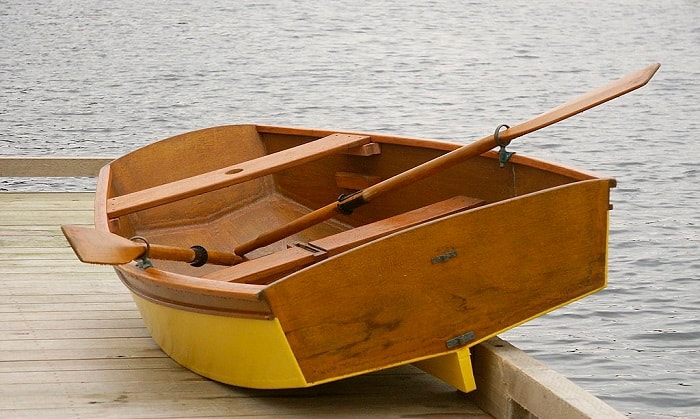
A recent project highlighted the power of unconventional thinking. A community college woodworking class, lacking resources for new materials, built a robust rowboat using reclaimed pallet wood, meticulously treated and laminated. The result? A surprisingly functional and aesthetically unique vessel that demonstrated the potential for creative problem-solving and sustainable boatbuilding. This project showcased that resourcefulness and innovative material choices can lead to highly successful outcomes, pushing the boundaries of traditional boat construction.
Ultimately, building a plywood boat is more than just following instructions. By incorporating these unconventional approaches and embracing a spirit of innovation, builders can create exceptional vessels that are not only functional and safe but also reflect their individual creativity and commitment to sustainable practices.
0 comments:
Post a Comment