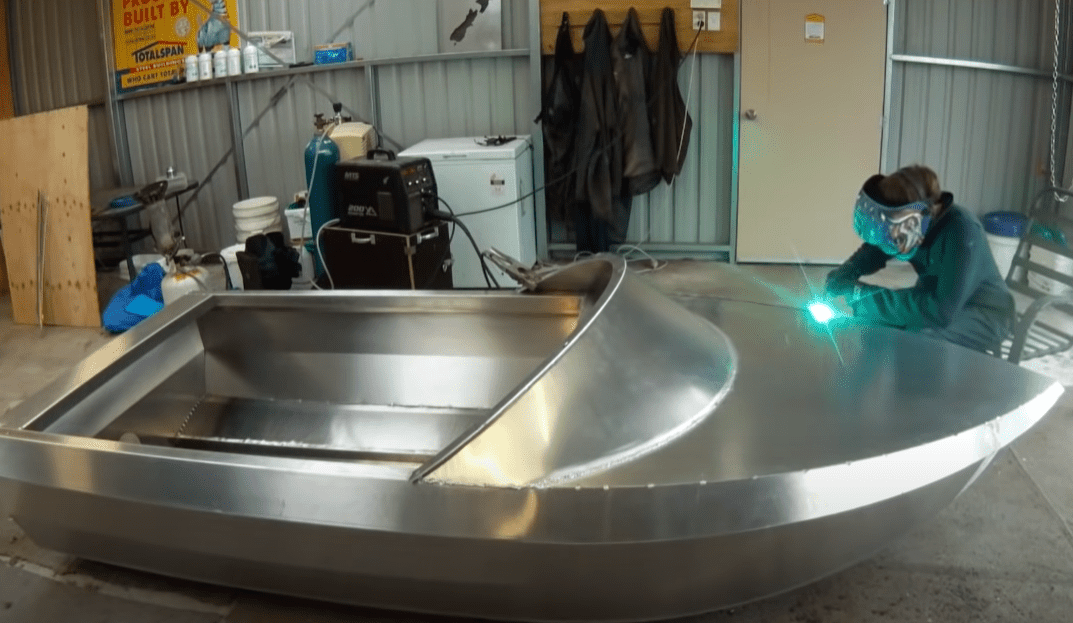
Building Your Own Mini Jet Boat: A DIY Guide for Rivers and Lakes
Ever dreamed of zipping across the water like a speed demon? Or maybe you just want a fun and unique way to explore rivers and lakes? Building your own mini jet boat is a fantastic project that combines engineering, ingenuity, and a whole lot of fun. It’s a rewarding journey, and with the right guidance, anyone can tackle it. So, let’s dive in!
Why Build a Mini Jet Boat?
Building a mini jet boat is not just about having a cool toy; it's about creating a custom-made vessel that’s tailored to your needs and desires. Here’s why you should consider this project:
- Uniqueness: Build a boat that stands out from the crowd. You'll have complete control over its design, materials, and features.
- Customization: Want a boat that’s perfectly suited for fishing, cruising, or even racing? You can design it to fit your specific needs.
- Cost-Effectiveness: Building a mini jet boat yourself can be much more affordable than buying a pre-built one, especially if you’re handy with tools.
- Learning Experience: You'll gain valuable skills in woodworking, mechanics, and marine engineering, all while having a blast.
- Sense of Achievement: There's no better feeling than seeing your own creation come to life and hitting the water for the first time.
Planning Your Mini Jet Boat: The First Steps
Before you start hammering and sawing, it's crucial to have a solid plan. Here’s a step-by-step guide to getting started:
1. Define Your Project Scope
Decide on the size and type of boat you want to build. Are you aiming for a small, nimble craft for maneuvering through tight spots, or a larger, more stable boat for cruising with friends? Consider your budget, available space, and intended use.
2. Research and Gather Inspiration
Explore existing mini jet boat designs online and in magazines. Look at different hull shapes, engine options, and jet drive systems. Don’t be afraid to experiment with different ideas to find what inspires you.
3. Choose Your Materials
The type of materials you use will influence the overall weight, durability, and performance of your boat. Common choices include:
- Plywood: A budget-friendly and easy-to-work-with option, but not as strong as other materials.
- Fiberglass: A strong and durable material that offers a smooth, water-resistant surface. It requires specialized equipment and knowledge.
- Aluminum: Light, corrosion-resistant, and very strong. It's more expensive than plywood but offers superior longevity.
4. Design Your Boat
Use a sketching tool, CAD software, or even a simple piece of paper to create a detailed plan for your boat. Include dimensions, hull shape, seating arrangement, engine placement, and any other features you want to include.
5. Gather Your Tools
Make sure you have all the tools you’ll need before you start cutting and assembling. You’ll need:
- Power tools: Drill, circular saw, jigsaw, router, sander, and possibly a table saw.
- Hand tools: Hammer, screwdrivers, wrenches, pliers, and measuring tools.
- Safety gear: Eye protection, gloves, hearing protection, and a dust mask.
Building Your Mini Jet Boat: The Construction Phase
Now that you’ve planned everything out, it’s time to get your hands dirty and start building:
1. Construct the Hull
Start by creating the hull, which is the main body of your boat. Follow your design plan carefully, using precise measurements and sturdy construction techniques.
- For plywood hulls: Cut the plywood sheets into the desired shapes and use epoxy glue and screws to join them together. Make sure to reinforce key areas like the transom (rear section of the hull).
- For fiberglass hulls: Create a mold using a strong, waterproof material. Then apply layers of fiberglass resin and cloth to the mold. This process requires patience and practice.
- For aluminum hulls: Cut and bend the aluminum sheets to the desired shape. Use rivets, screws, or welding to connect the pieces. This requires specialized equipment and knowledge.
2. Install the Deck and Seating
The deck provides a platform for you to stand and operate the boat. It can be made from plywood, fiberglass, or even aluminum. Install any seats or other features according to your design.
3. Integrate the Jet Drive
The jet drive is the heart of your mini jet boat. It’s responsible for propelling the boat through the water. You can buy a pre-made jet drive unit or build one yourself (which can be quite challenging).
- Research and choose a suitable jet drive system. Consider its size, power output, and compatibility with your engine.
- Carefully install the jet drive unit in the transom, ensuring it’s properly aligned and secured.
4. Install the Engine
Choose an engine that provides the desired power and speed for your boat. It’s important to select an engine that is compatible with the jet drive and the weight of your boat. You may also need to install a cooling system and fuel lines.
5. Add Controls and Instrumentation
Install steering, throttle, and any necessary gauges and controls. Make sure everything is within easy reach and operates smoothly.
6. Finishing Touches
Once your boat is assembled, it’s time to add the finishing touches. This includes painting or coating the hull, installing lighting, adding any desired accessories, and thoroughly testing it before hitting the water.
Launching Your Mini Jet Boat: The First Test Run
After all that hard work, it's finally time to put your mini jet boat to the test!
1. Prepare for Launch
Make sure you have all the necessary safety equipment, including life jackets, a first-aid kit, and a whistle. Choose a calm, secluded area for your initial test run.
2. Conduct a Safety Check
Before launching, thoroughly check the engine, jet drive, fuel lines, steering, and any other critical components. Make sure everything is in good working order.
3. Launch and Test
Gradually increase the engine speed and test the boat’s responsiveness, handling, and stability. Listen for any unusual noises or vibrations.
4. Adjust and Fine-Tune
Based on your test run, make any necessary adjustments to the engine, jet drive, or other components. You may need to fine-tune the trim, steering, or even the hull design for optimal performance.
Commonly Asked Questions About Building a Mini Jet Boat
1. What are the safety considerations?
Safety is paramount. Always wear a life jacket, operate the boat responsibly, and adhere to all boating regulations. Be aware of water conditions and avoid areas with strong currents or heavy traffic.
2. How do I get my mini jet boat registered?
Check your local boating regulations. Most states require registration for motorized watercraft. You'll likely need to provide details about the boat's size, engine, and owner.
3. Where can I find resources for building a mini jet boat?
There are many online forums, websites, and books dedicated to boatbuilding. Look for resources specific to mini jet boats. Consider joining a boating club or forum to connect with experienced boat builders.
4. What about maintenance?
Like any motorized vehicle, your mini jet boat will require regular maintenance. Check engine fluids, inspect the jet drive for wear, and clean the hull and engine regularly.
5. How much does it cost to build a mini jet boat?
The cost depends on the size and complexity of your project, as well as the materials you choose. It’s possible to build a basic mini jet boat for a few hundred dollars, while more elaborate projects can cost several thousand.
Building a mini jet boat is a challenging yet rewarding endeavor. With careful planning, research, and a touch of DIY spirit, you can create a fun and unique vessel to explore the waterways and enjoy the thrill of personal watercraft.
0 comments:
Post a Comment